Havells Thesis Project
I was tasked with designing a kitchen fan for Indian homemakers and maids underserved by existing research, I led a semester-long project using the Double Diamond process, conducting interviews, observations, and over 150+ concept sketches. After prototyping and multiple feedback loops, 2 of my final concepts were selected by the Havells CXD team for further development.

This Project is under an NDA
Please click on this button if you have the unristricted
link, or contact me at rhmittal@iu.edu for the link.
About the Company
Havells India Limited is an Indian multinational Fast Moving Electrical Goods (FMEG) company founded in Noida in 1958. It has established itself as a trusted brand known for quality, reliability, and innovation. Havells entered the fans segment in 2003 and emerged as the fastest-growing and most trusted among the top two players in the country.
In 2023, Havells was recognised as one of the “Top 50 Best Indian Brands” and launched the designer Amaya ceiling fan that won “Product of the Year”. Havells previously also launched Stealth Air, which won the “CII Design Excellence Award in 2018”. Havells products are also catered to the Indian market, and their innovative IoT variant Trinity - I comes with ‘Smart-Mode’ features that sense temperature and humidity in the room and adjusts the fan speed accordingly. Havells portfolio coupled with their commitment to customer satisfaction, exploring kitchen fans for circulation comfort would be an interesting venture.
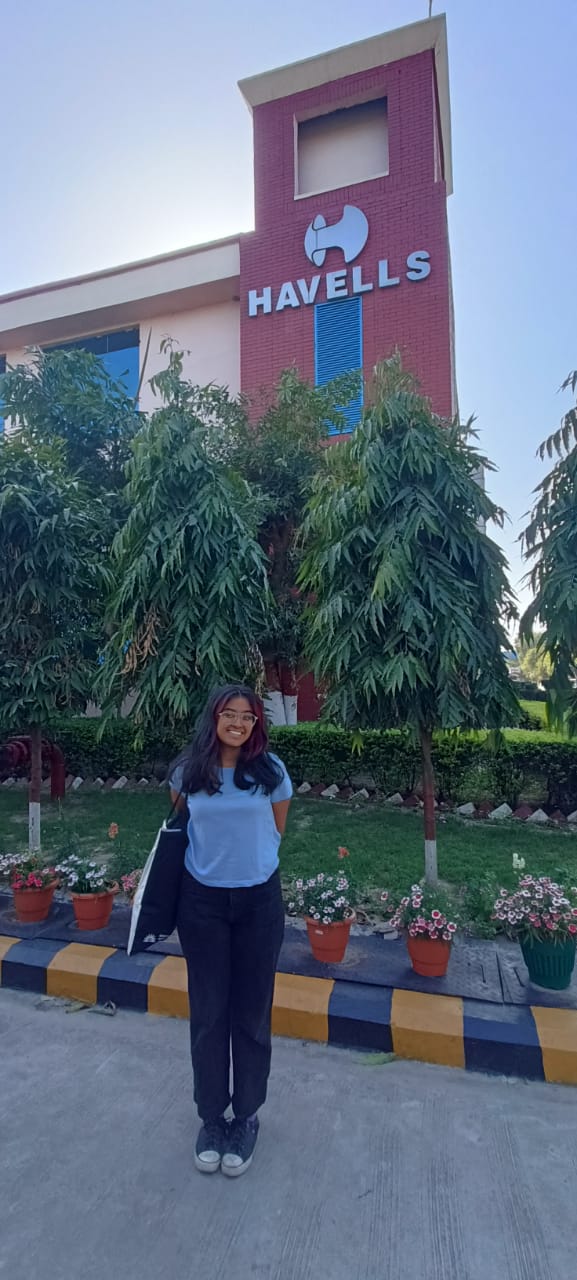
Project Goal
Summary of My Work
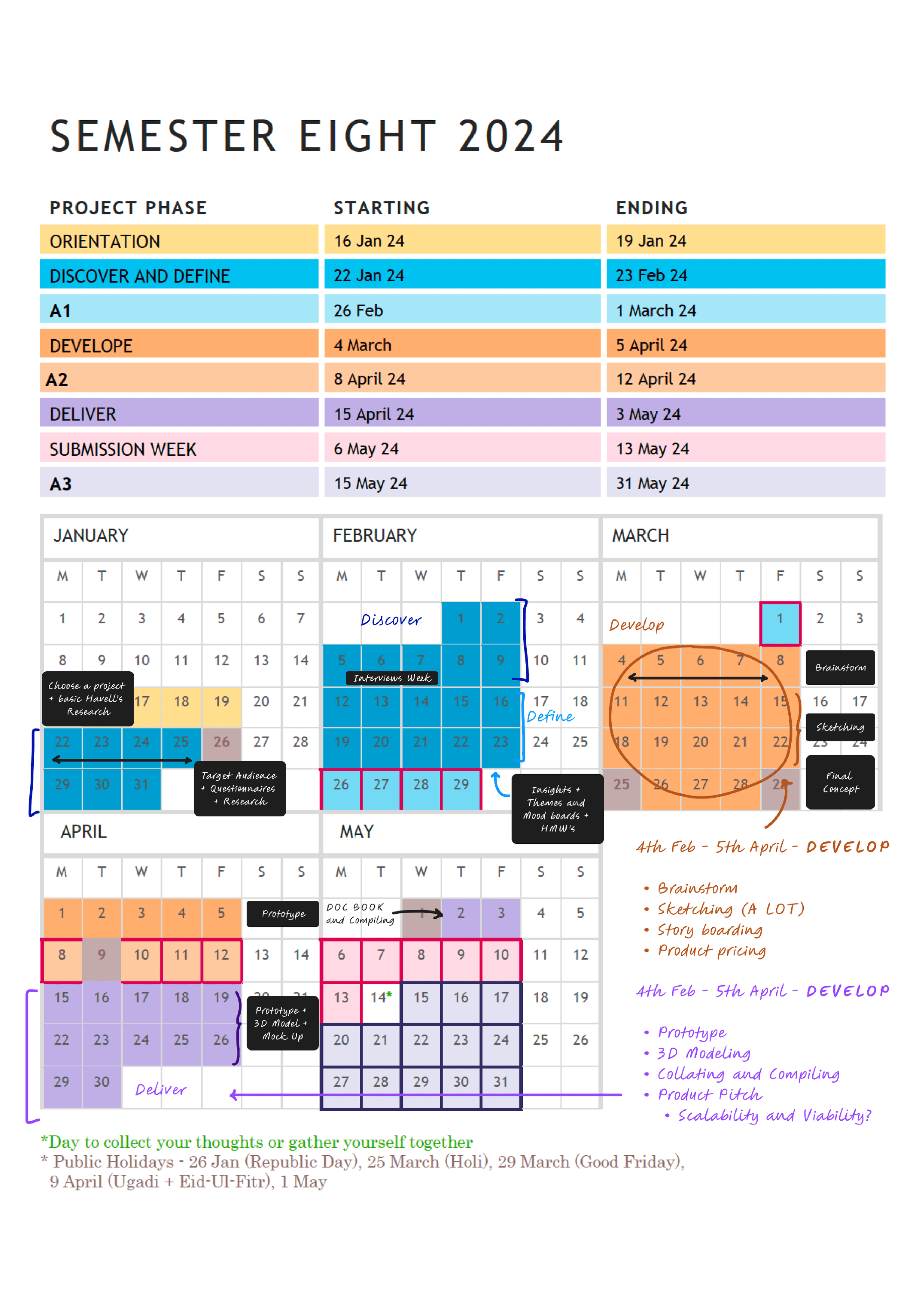
During this semester long project, I conducted an entire double diamond process to design a kitchen fan for the Indian market. As seen in the image below, there was a weekly goal set for the outcome to be expected from each stage of the double diamond process including the Discover, Define,
Develop and Deliver stages.
The Discover consisted if Primary and Secondary Research.
The Primary research included: Interviews, Day in the life of observations, Shadowing, Behavioural Mapping.
The Secondary research included: Benchmarking, Competitor Analysis and Secondary Mapping.
The Define process included gathering insights from the research, creating themes and mood boards and designing the How Might We’s.
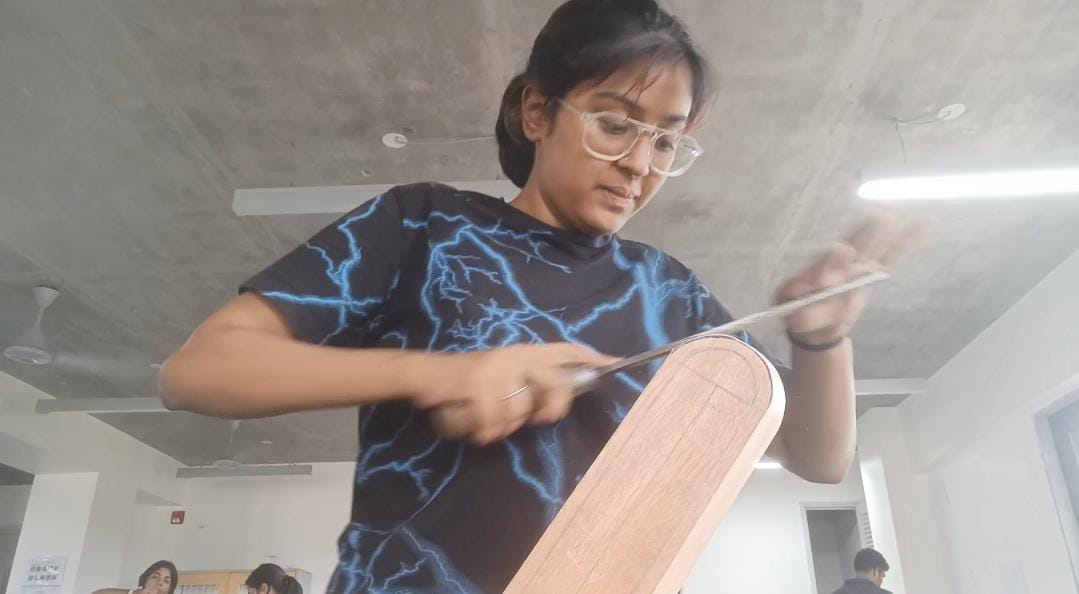
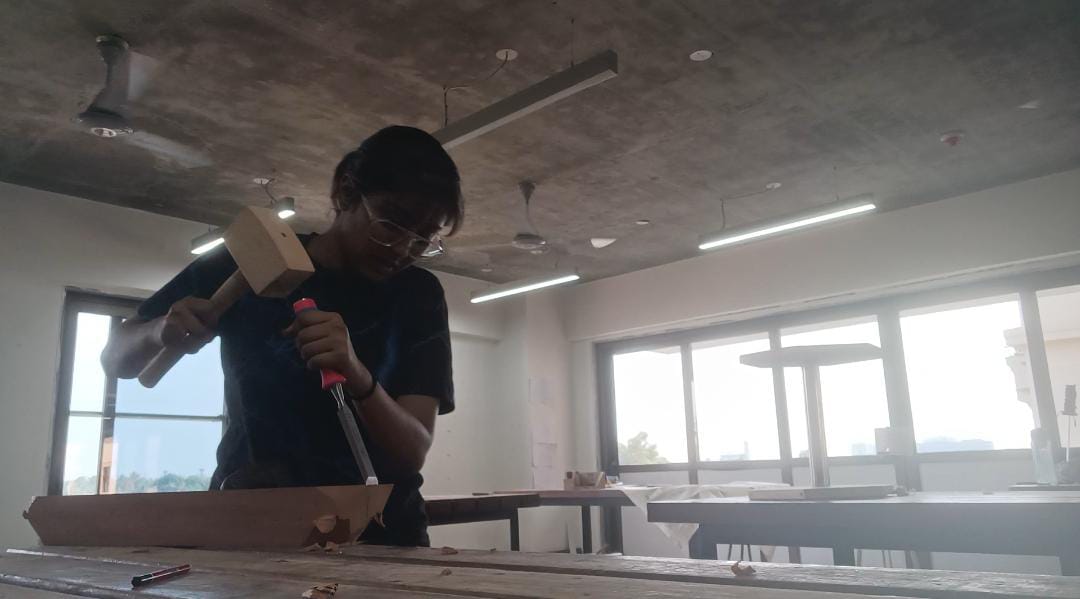
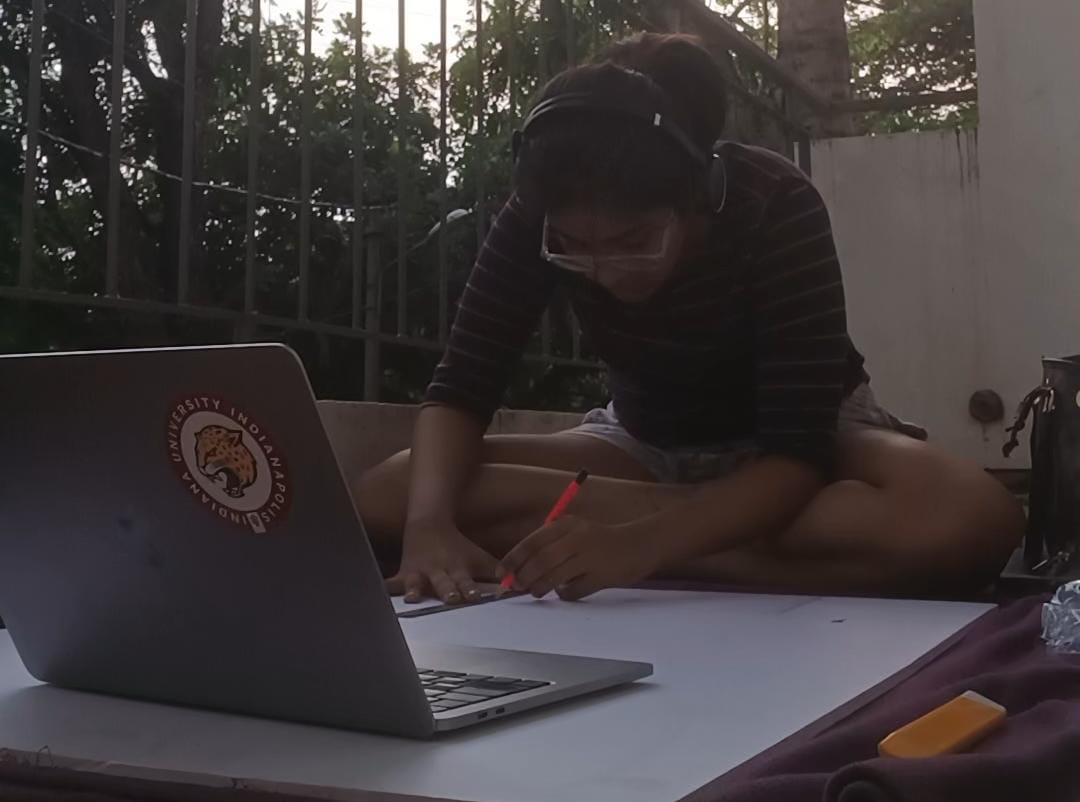
The Develop phase included Brainstorming, doing 150+ sketches, storyboarding, low and mid fidelity prototyping, and analysing product pricing.
The Deliver phase included designing high fidelity prototypes, 3D models and mockups based on the feedback given by the Havells representatives on the low and mid fidelity prototypes. Out of the 10 low fidelity and 5 mid fidelity prototypes shortlisted, the Havells CXD team selected 2 final
concepts to further deliver.
Tools and Skills used